
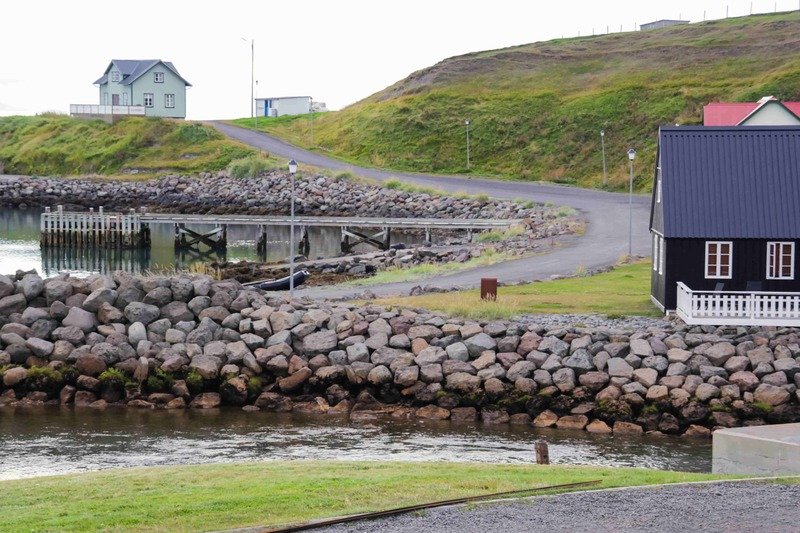
Coastal homes along the shore face harsh natural elements every day. Strong winds push ocean salt onto stone patios and garden walls. Daily high tides crash against stone barriers and wash away loose soil.
Homeowners in waterfront areas need strong structures to protect their land. Coastal hardscaping protects waterfront yards from constant wave action and soil loss. Standard inland building methods often fail quickly near saltwater environments. Shoreline property owners must build with strong materials to resist marine weather.
How Salt Air and Tidal Water Affect Masonry and Stone
Salt air carries fine ocean mist across coastal yards. Ocean salt penetrates small pores inside natural stone and concrete. When water evaporates, salt crystals form and expand inside the material. This expansion cracks stone surfaces from the inside out.
Tidal water washes against shorelines twice each day. Moving ocean water pulls sand out from behind stone walls. Over time, waves create hollow gaps under heavy rock foundations. Water pressure builds behind stone barriers during high tide events. Unprotected structures crumble under constant ocean wave strikes.
Choosing Marine-Appropriate Mortar for Seawalls and Stonework
Mortar glues stone blocks together into solid marine barriers. Standard mortar mixes wash away quickly in ocean environments. Contractors select specific mortar formulas for marine projects.
Type S Mortar
Type S mortar offers high tensile bond strength for outdoor walls. This mix resists soil pressure and heavy wind loads well. Masonry crews select Type S for above-grade stone walls near ocean water. It can flex slightly without cracking under medium impact force.
Type M Mortar
Type M mortar provides high compressive strength for heavy load conditions. This mix contains extra Portland cement for extreme durability. Masons apply Type M mortar below the high tide waterline. It withstands constant water immersion and heavy wave impact.
Matching Mortar to Existing Masonry
New mortar must match the strength of old stone walls. Mortar that sets too hard cracks soft historic stone. Mortar that sets too soft washes away in ocean spray. Masons test old joint samples before mixing new compound batches. Proper chemical matches keep historic stone barriers solid for decades.
Saltwater Corrosion: What Happens to Stone, Masonry, and Metal Components?
Saltwater destroys standard construction metals quickly. Iron rebar inside concrete rusts when ocean water seeps inside. Rusting iron can expand up to six times its original size. This expansion cracks thick concrete panels and causes severe structural failure.
Stone surfaces experience surface spalling from ocean spray. Repeated wet and dry cycles loosen top mineral layers. Mortar joints weaken as salt breaks down chemical bonds. Metal wall ties snap under constant rust pressure. Property owners must fix small rust stains before structures collapse.
Seawalls vs. Other Coastal Hardscaping Solutions
Property owners choose between several defense options to protect shorelines. Each structure serves a distinct protective role against tidal forces.
| Structure Type | Main Purpose | Best Use Cases |
| Vertical Seawall | Blocks direct wave impact | High-energy shorelines |
| Riprap Revetment | Absorbs wave energy | Sloped property borders |
| Stone Retaining Wall | Holds back lawn soil | Upper yard terraces |
| Concrete Bulkhead | Prevents soil erosion | Boat docks and slips |
Vertical barriers reflect wave energy into the ocean. Riprap slopes use loose boulders to break up heavy waves. Retaining walls keep upper lawn soil from sliding into ocean waters. Combining stone revetments with vertical barriers offers complete shore defense.
DEEP Permitting for Coastal Work Along Long Island Sound
The Connecticut Department of Energy and Environmental Protection regulates shoreline construction. Property owners must obey state laws before building marine structures.
When Permitting May Become an Issue
Building new structures without state approval leads to heavy fines. Environmental officials stop unpermitted work along tidal marshes immediately. Adding height or length to existing barriers requires full state review. Homeowners may need formal approvals before bringing heavy machinery to shoreline areas.
Coastal Jurisdiction and Site-Specific Review
State authority covers all areas waterward of the coastal jurisdiction line. Officials evaluate how proposed projects affect natural marine habitats. Reviews inspect wave patterns, tidal wetlands, and public water access points. Plans must prove new structures will not damage neighboring shorelines.
Why Repairs Should Be Evaluated Before Demolition or Replacement
State regulators favor maintenance over total site demolition. Timely seawall repair preserves natural shoreline profiles with minimal environmental impact. Seawall repair in Connecticut often qualifies for faster permit review tracks. Patching existing walls saves money and avoids lengthy land use disputes.
Rowayton and Shippan: Why Site Conditions Matter
Shoreline properties in Rowayton sit near tidal estuaries and mudflats. Calm marsh waters still wash fine sediment away from wall footings. Homeowners in Shippan face open water and severe storm surges. Direct waves from open sound waters strike Shippan Point properties with immense force.
Rowayton homes need solutions that prevent slow soil migration. Shippan properties require heavy armor stone to withstand winter Atlantic storms. Soil types vary from soft marsh mud to solid granite ledges. Masons anchor walls directly into bedrock on exposed coastal points.
A Practical Coastal Masonry and Hardscaping Inspection Checklist
Regular inspections can identify structural damage before catastrophic wall failure occurs. Homeowners should check shoreline barriers every spring and autumn.
- Look for rust stains weeping through concrete faces.
- Check for sinkholes in lawns directly behind wall tops.
- Inspect mortar joints for missing compound sections.
- Search for vertical cracks along main wall panels.
- Examine toe foundations for lost soil or displacement.
- Verify weep holes allow trapped groundwater to drain out freely.
Planning a Seawall or Coastal Hardscaping Project
Successful coastal projects start with thorough site evaluations. Engineers measure high tide marks and analyze local soil samples. Teams create detailed site blueprints that show water depth and property lines.
Homeowners select durable stone materials like native granite or dense basalt. Contractors plan equipment access routes across fragile lawn areas. Timing project work with low tide cycles keeps site work dry.
Secure Your Shoreline with Expert Help
Coastal properties require skilled care to withstand relentless ocean tides. Professional seawall construction in Connecticut protects your valuable land investment from water erosion. S&S Masonry and Landscaping LLC brings expertise and skill to every marine hardscaping project. Our team handles complete seawall replacement with durable stone materials.
We serve local shorelines with custom masonry and defense barriers built to last. As a trusted seawall contractor in Fairfield County, S&S Masonry and Landscaping LLC secures your waterfront property against harsh ocean weather. Contact us today to plan your coastal stone project.
Frequently Asked Questions
What is the best material for a coastal seawall?
The appropriate material depends on wave exposure, soil conditions, wall design, drainage needs, and local requirements. Dense natural stone, concrete, and properly specified masonry systems may all be suitable for different coastal applications.
How does salt air damage masonry?
Salt carried by coastal moisture can enter porous stone, concrete, and mortar. Repeated wetting and drying can contribute to salt crystallization, surface deterioration, cracking, and mortar-joint damage.
What is the difference between a seawall and a retaining wall?
A seawall is designed primarily to resist water and wave forces along a shoreline, while a retaining wall primarily holds back soil. Coastal properties may require one or a combination of both structures.
When should a seawall be inspected?
Waterfront property owners should inspect seawalls regularly, particularly after major storms and before or after periods of severe seasonal weather. Cracks, displaced stones, erosion behind the wall, rust staining, and drainage problems can indicate developing damage.
Can an existing seawall be repaired instead of replaced?
In some cases, yes. The appropriate approach depends on the wall’s structural condition, foundation stability, erosion around the footing, and the extent of deterioration. A professional site assessment can determine whether repair or replacement is appropriate.
What causes sinkholes behind ocean barriers?
Water pulls soil out through cracked mortar joints during low tide cycles. This loss creates hollow spaces under lawn turf behind barriers.
How often do coastal mortar joints need repointing?
High tide walls need joint maintenance every ten years. High-quality marine mortar extends life cycles in harsh salt environments.
Can homeowners fix ocean walls without state permits?
Minor maintenance like filling small surface cracks often bypasses full reviews. Major structural work always requires formal state permit approvals.