Walk through SoNo or Old Town Fairfield today. You will see brick buildings with stories behind them. Some walls have survived for more than a century. Their bricks have faced rain, snow, salt air, and storms. Yet one repair mistake can shorten that lifespan dramatically. Using modern cement on old brick can cause serious damage. The wall may look stronger after repairs. Over time, the historic brick can begin failing instead. At S&S Masonry and Landscaping LLC, we treat old masonry differently. We first study the wall before choosing repair materials.
The Anatomy of Historic Masonry: Why Pre-1930 Brickwork Is Different
Older Connecticut buildings often used softer masonry materials. Brickmakers fired many historic bricks at lower temperatures. Some bricks also received less uniform firing. That created porous bricks with different strengths. Their original lime mortar worked with those characteristics. Modern bricks usually have much greater compressive strength. Their manufacturing also creates more consistent units. Historic walls need repair materials that respect those differences.
The Soft Brick Dilemma
Have you noticed crumbling brick edges near mortar joints? That damage may point toward a harder mortar. Historic brick should usually outlast its mortar joints. The mortar acts as the wall’s sacrificial component. It should weather before the brick begins deteriorating. We therefore avoid treating every old wall alike. Our team examines brick condition and existing joints first.
The Breathability Factor: How Vapor Travels Through Old Walls
Historic masonry handles moisture through evaporation and movement. Water can enter brick through tiny pores. Vapor then needs pathways toward the exterior surface. Dense cement mortar can restrict that movement. Trapped moisture can then remain inside the masonry. Connecticut’s changing temperatures make that problem worse. Proper repointing helps the wall release moisture naturally.
Lime Mortar vs. Portland Cement: A Direct Structural Comparison
Lime mortar and Portland cement behave very differently. Lime mortar generally offers greater flexibility and vapor movement. Portland cement creates a harder and more rigid joint. Neither material automatically suits every historic building. The existing mortar should guide the replacement choice. The National Park Service recommends matching historic mortar properties. That includes strength, composition, color, texture, width, and profile.
Flexural Strength and Structural Movement
Old buildings move slightly throughout their service life. Temperature changes can shift masonry joints. Settlement can also create small structural movements. Lime mortar can accommodate some movement more readily. A very rigid mortar can transfer stress into bricks. That makes material matching especially important during repointing.
Moisture Permeability and Vapor Transmission
Historic walls need suitable moisture pathways. Lime-based mortars can support vapor movement through joints. Dense cement may behave much less forgivingly. The wrong mix can trap moisture inside brickwork. That moisture can later contribute to freeze-thaw damage.
Self-Healing Properties of Traditional Lime Mortar
Traditional lime mortar can show limited self-healing. Unreacted lime particles may help close tiny cracks. Moisture can support this gradual mineral process. This does not mean lime repairs itself automatically. Major cracks still require proper inspection and repair. We never use “self-healing” as a repair shortcut.
Why Incompatible Portland Cement Can Damage Historic Brickwork
Using mortar that is harder than the original brick can put historic masonry at risk. Older bricks were often designed to work with softer, more flexible lime mortar. When rigid Portland cement replaces the original mortar, stress and moisture may affect the surrounding brickwork instead of passing through the mortar joints. Over time, this mismatch can contribute to cracking, surface deterioration, and moisture-related damage. The National Park Service recommends selecting replacement mortar that is compatible with the historic masonry. Careful inspection and appropriate mortar selection help preserve the wall’s strength and original character.
Brick Spalling: Why Historic Brick Faces Deteriorate
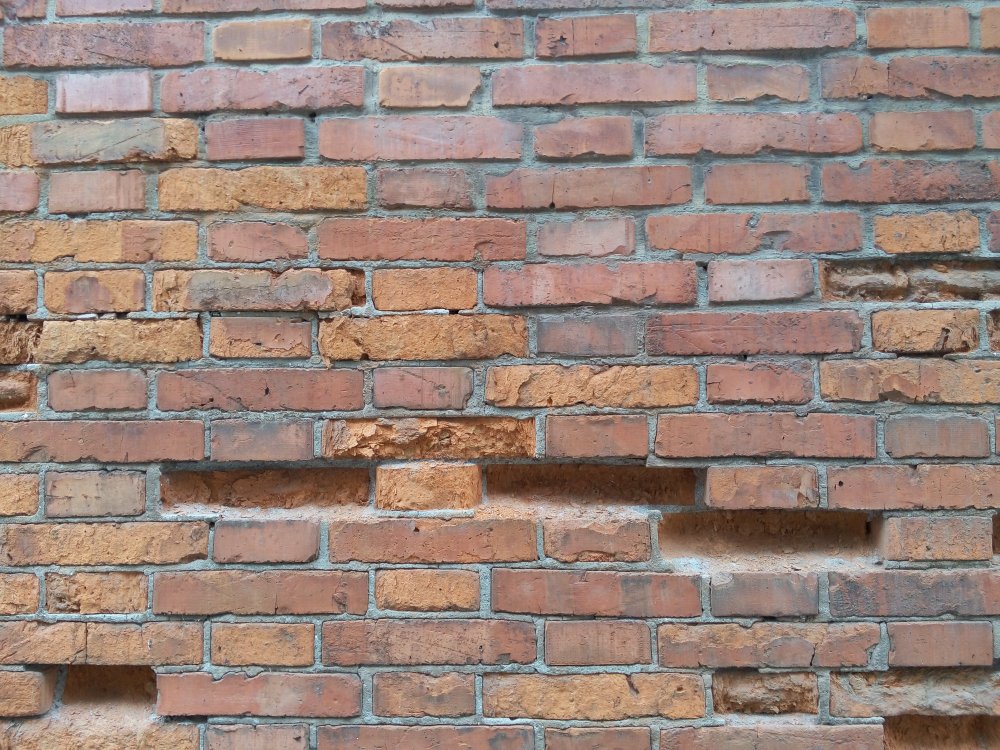
Brick spalling occurs when the outer surface of a brick cracks, flakes, or breaks away. Moisture can enter porous masonry and freeze during Connecticut’s winter weather, creating pressure within the brick. If incompatible, dense mortar restricts moisture movement, deterioration may become more severe. Early assessment can help identify the underlying cause and prevent additional damage. Depending on the condition of the masonry, repairs may involve correcting moisture problems, repointing with compatible mortar, or replacing severely damaged bricks with suitable matching units.
Cracking in Historic Brickwork: Identifying Mortar-Related Stress
Cracks around mortar joints can indicate that the repair material is incompatible with the original brickwork. Rigid mortar may transfer stress to softer bricks as the building experiences temperature changes and gradual movement. However, cracking can also result from settlement, water intrusion, or other structural issues. For this reason, damaged joints and surrounding bricks should be inspected before repairs begin. Identifying the cause helps determine whether repointing is appropriate or whether additional structural assessment is necessary. Proper repairs should address the underlying problem rather than simply conceal visible cracks.
The Coastal Impact: Connecticut Freeze-Thaw Cycles & Long Island Sound Salt Air
SoNo and Fairfield face demanding coastal conditions. Humidity can keep masonry damp for longer periods. Long Island Sound also contributes salty coastal exposure. Water enters porous brick through microscopic openings. Winter temperatures can then freeze that trapped moisture. Frozen water expands inside the masonry pores. Repeated cycles can weaken already-damaged brick. Connecticut preservation guidance stresses moisture control around masonry.
This makes proper repointing especially important locally. We also inspect gutters, flashing, caps, and drainage. Keeping water away protects repaired masonry for longer.
Navigating Historic Preservation Standards in Norwalk & Fairfield
Historic masonry work involves more than choosing mortar. Local regulations may affect exterior changes. Connecticut historic districts can review visible architectural alterations. Fairfield’s Historic District Commission regulates qualifying historic properties. Local rules can also distinguish ordinary maintenance from alterations.
Norwalk also has specific historic and permitting processes. Its current zoning guidance covers exterior modifications. Projects may require additional review before construction begins. We recommend confirming requirements before starting masonry work.
The Secretary of the Interior’s Standards also matter. They emphasize retaining historic materials whenever possible. They recommend careful repointing instead of unnecessary replacement. They also discourage high-Portland-cement mortar on historic masonry.
The Importance of a Professional Mortar Analysis
Guessing an old mortar recipe can backfire. We prefer examining the existing material first. A proper analysis considers color, texture, aggregate, and strength. Testing can also reveal the mortar’s composition. This information helps us select a compatible replacement.
Choosing the Right Mix: Non-Hydraulic vs. Natural Hydraulic Lime
Non-hydraulic lime hardens mainly through carbonation. Natural hydraulic lime also gains strength through hydraulic reactions. Each type behaves differently during curing and service. The right choice depends on the existing masonry. We consider exposure, brick strength, moisture, and joint condition. We never choose lime simply because it sounds traditional.
Matching Historical Aggregates, Sand Grain Sizes, and Colors
Mortar should look appropriate after curing. Color alone does not determine a successful match. Sand grading also affects texture and performance. Aggregate size can change the joint’s appearance noticeably. We aim to match the original joint closely. That includes profile, width, texture, and overall color.
Frequently Asked Questions About Historic Repointing
How can I tell if my Connecticut home has lime mortar or Portland cement?
Age alone cannot confirm the mortar type. We look at texture, hardness, color, and aggregate. Laboratory testing can provide more reliable identification. Avoid removing joints before determining their composition.
What is brick spalling, and can it be reversed?
Spalling means the brick surface breaks or flakes away. Minor deterioration may stop after moisture problems are corrected. Severely damaged bricks cannot regain their original faces. Those units may need careful replacement with matching bricks.
Do I need a permit to repoint a historic chimney or wall in Fairfield County?
Requirements depend on the property’s location and designation. Local historic districts can impose additional review requirements. Building or zoning rules may also apply. We recommend checking with the local authority first. Fairfield’s historic district rules specifically address exterior alterations.
How long does a traditional lime mortar repointing job last?
There is no single lifespan for every project. Exposure, workmanship, drainage, and mortar selection all matter. Properly matched mortar can perform for many decades. Regular inspections help identify failing joints before damage spreads.
Protect Your Property’s History with S&S Masonry and Landscaping LLC
Historic brick deserves more than a quick cosmetic repair. It needs materials that work with the existing wall. As a trusted masonry and landscaping company, we focus on careful assessment first. We consider the brick, mortar, moisture, movement, and local exposure. Our approach helps avoid unnecessary damage and replacement.
We also pay attention to details that affect longevity. These include joint depth, tooling, curing, drainage, and material matching. For historic properties, small decisions can have lasting consequences. The goal is not simply making old brick look new. Our goal is helping historic masonry keep its character.
If your SoNo or Old Town Fairfield property shows deterioration, let our historic masonry contractor inspect it first. Book a historic masonry assessment with S&S Masonry and Landscaping LLC today. We can help determine what your brickwork needs before another repair creates bigger problems.